|
|
Hey there, Subscriber
|
Greetings from Tina, your trusted Technical Journalist at CLOU! In this week's newsletter, we're talking about something every utility loves almost as much as a flawless power quality report: renewables changing the rules.
|
|
For decades, the business model was simple. Build big generation, push electrons down the lines, send the invoice. Now solar roofs, wind farms, home batteries, and microgrids have entered the chat. Customers are not only consuming energy, they are producing it, shifting peak loads, and sometimes selling power back. Utilities still have to keep the grid stable, safe, and ready for the next storm—just with less predictable flows and a revenue model that needs an update.
|
|
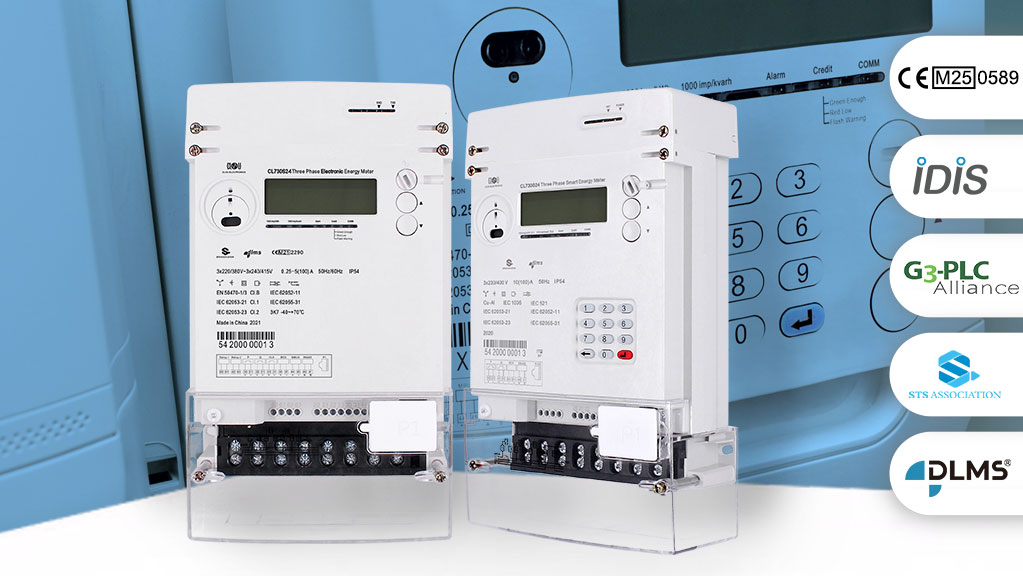
So, grab your virtual reading glasses, click the link below, and join me in looking at what actually works: integrating DERs, using storage as a grid tool, and turning smart metering data into services customers will pay for.
|
|
|
|
|
|
|
|
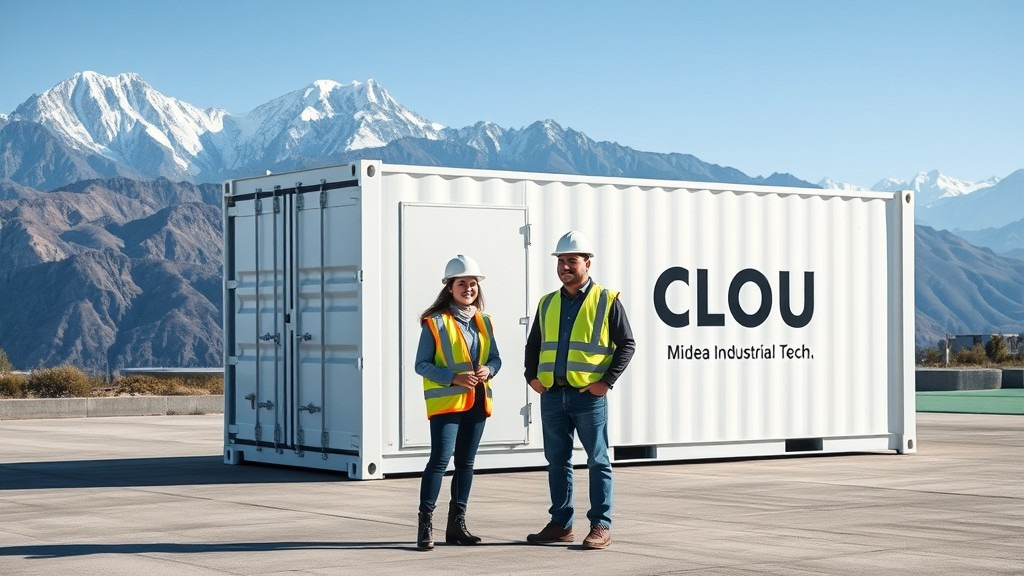
The energy sector is undergoing a transformation driven by renewable energy. For decades, utilities operated within a centralized framework, generating electricity at large plants and distributing it to consumers. The rise of solar, wind, and other renewable technologies is disrupting this model, decentralizing power generation and shifting control towards consumers. For utilities, these changes present both challenges and opportunities, forcing …
|
|
|
|
|
|
|
|
We hope you find this newsletter informative and useful. If you want to compare notes on AMI, storage, or meter testing for a grid that now behaves like a two-way street, contact us and tell us what you are planning.
|
Tina Reynolds
Technical Journalist at CLOU
|
|
|
|
|
|
   
|
|
|
|