|
|
Hey there, Subscriber
|
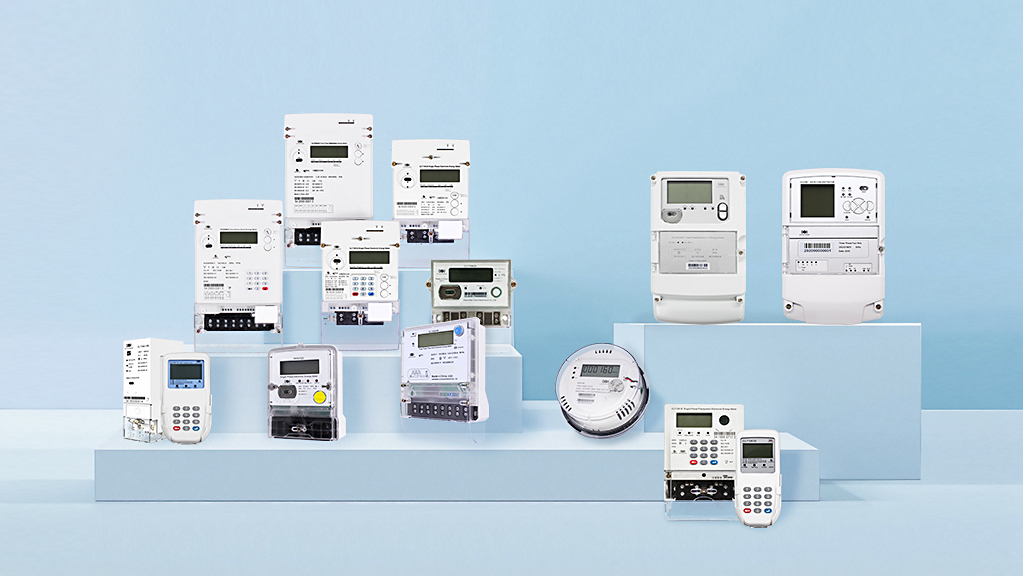
Greetings from Tina, your trusted Technical Journalist at CLOU! In this week's newsletter, we take a systems view: protocols, data models, and what they mean for multi-vendor interoperability in AMI and meter data collection.
|
|
If you work on head-end integration, field commissioning, or test bench validation, the protocol choice is never "just communication". It affects how you map register sets, how you handle time synchronization, how you manage firmware and control commands, and how you prove compliance when different vendors interpret the same standard in slightly different ways.
|
|
Click the link below to read our practical overview of IEC 62056 (DLMS/COSEM) and how it compares to Modbus, M-Bus, ANSI C12, and Zigbee—without getting lost in unnecessary theory.
|
|
|
|
|
|
|
|
Metering protocols are essential for communication between energy meters and external systems such as data collection platforms, utility management software, or grid operators. These protocols ensure devices from different manufacturers can exchange information reliably, making them critical for tasks like remote meter reading, firmware updates, control commands, and time synchronization. For engineers working on system integration and data collection, understanding …
|
|
|
|
|
|
|
|
I hope this helps you specify interfaces more cleanly and reduce integration risk.
|
Tina Reynolds
Technical Journalist at CLOU
|
|
|
|
|
|
   
|
|
|
|