|
|
Hey there, Subscriber
|
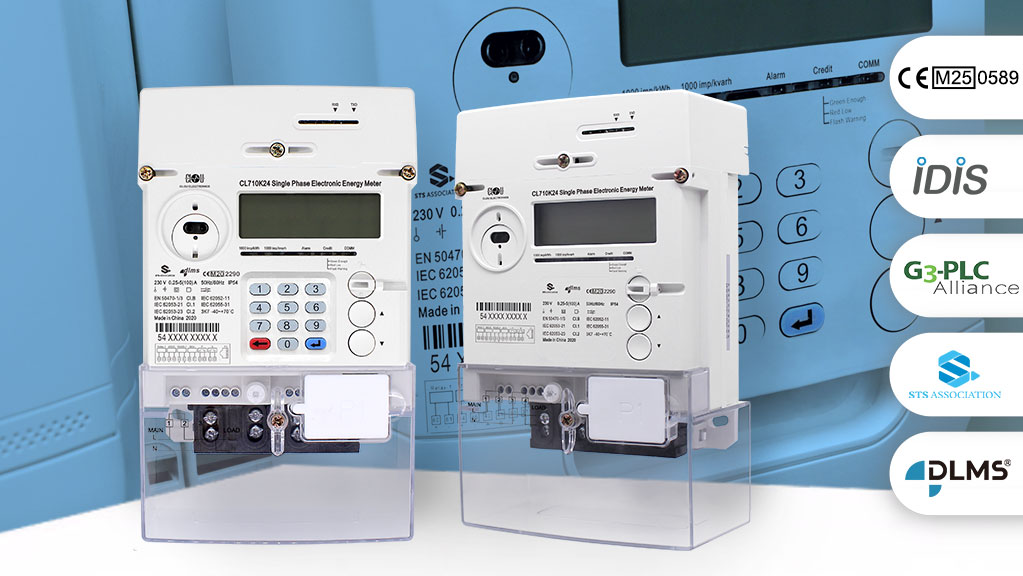
Greetings from Tina, your trusted Technical Journalist at CLOU! In this week's newsletter, we focus on something that sits behind every meter specification sheet: how the meter is made, and how we can make it with less energy, less water, and less waste.
|
|
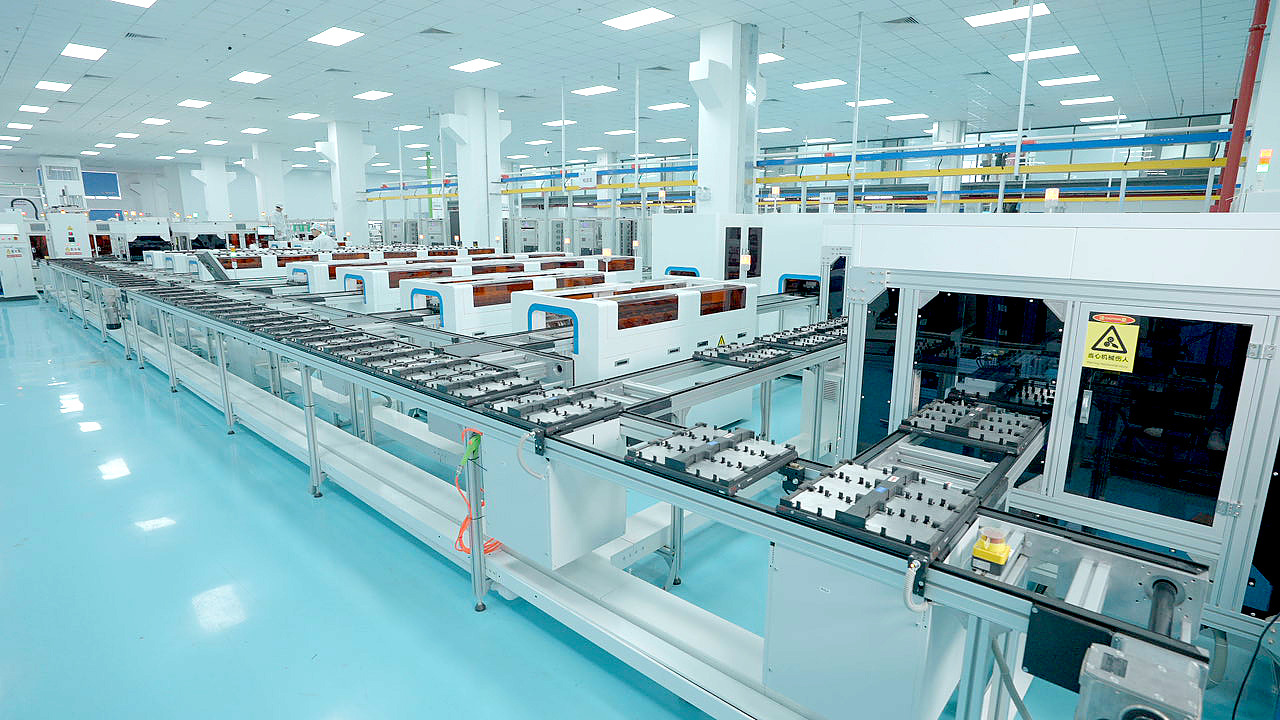
Sustainability in manufacturing is not a slogan on a poster in the corridor. For engineering teams, it is a set of measurable actions—optimizing machine uptime, cutting idle consumption, improving yields, and designing processes that reduce scrap and rework. The practical result is a lower environmental footprint, but also a more stable and efficient production flow.
|
|
CLOU's energy reduction work is supported by a newly issued ISO 50001 certificate for our energy management system, which helps us track performance and keep improvements consistent.
|
|
Click the link below to read how CLOU applies sustainable practices across energy use, renewable electricity, closed-loop cooling, recycling, supply chain work, and automation—while keeping quality control and final testing as strict as ever.
|
|
|
|
|
|
|
|
Energy meters are essential devices for measuring and recording electrical energy consumption across residential, commercial, and industrial settings. At CLOU, we recognize the growing importance of sustainable manufacturing and are shifting to efficient, environmentally friendly practices. This article outlines key methods used to reduce our environmental footprint while maintaining high-quality production. Reducing Energy Consumption Minimizing energy use is a core …
|
|
|
|
|
|
|
|
We hope you find this newsletter informative and useful. If you would like a deeper technical follow-up (for example, energy management in SMT lines, closed-loop cooling design, or how automation reduces rejection rates), reply with your questions, and we will pick it up in a future issue.
|
Tina Reynolds
Technical Journalist at CLOU
|
|
|
|
|
|
   
|
|
|
|