
CLOU GLOBAL TECHNOLOGY provides energy management products and customized solutions for efficient energy usage, cost reduction, and sustainability compliance.
Here we are publishing answers to your questions related to our products and services.
Please do not hesitate to reach out to us if you have any questions or queries. You can use our easily accessible contact form or can leave a comment below the relevant article to get in touch with us.
Note: The calculators and animations on this website work with JavaScript-enabled Web browsers. Please make sure your Web browser is JavaScript-enabled.
Since End of 2020 we are using asynchronous scripting technologies.
Recent Articles
-

The Utility Transformation: Innovation or Resistance?
The utility industry finds itself at a critical junction. The intersecting forces of decarbonization, decentralization, and digitalization are disrupting century-old utility business models. This transformation requires utilities to rethink their roles and strategies to remain effective in a rapidly changing
-

Transient Earth Voltage in Smart Metering Systems
Smart meters form the backbone of modern grid digitization, enabling bidirectional energy measurement, demand response, and granular consumption analytics. These devices face unique operational challenges from transient earth voltages (TEVs)—short-duration voltage spikes in grounding systems caused by switching operations, lightning,
-
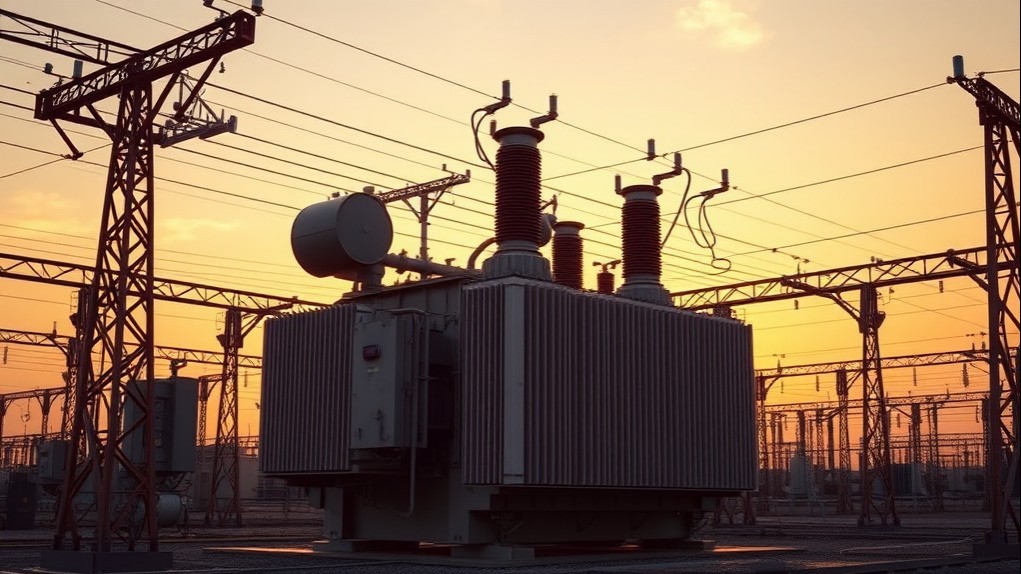
Power Transformers vs Distribution Transformers: Key Differences Engineers Should Know
For most of us, transformers are invisible—silent guardians hidden in plain sight. But for engineers, they are the backbone of the grid's stability. Choosing between a power transformer and a distribution transformer is not just an academic exercise; it's a
-

Behind the Meter: Current Measurement Techniques in Smart Technology
As energy systems advance, the need for accurate current measurement has grown significantly. Smart meters, as a key component of modern grids, rely on precise current data for billing, load analysis, and grid management. This article focuses on the techniques
-

Bridging the Gap: The Power of G3 Hybrid Technology in Smart Metering
The rapid evolution of smart grid technology has revolutionized the way utilities monitor, manage, and distribute electricity. At the heart of this transformation lies smart metering, an essential component that enables real-time data exchange between consumers and utility providers. However,
-

Breaking Free: Innovating the Energy Sector for a Sustainable Future
The energy sector has long been dominated by large, established players relying on fossil fuels. However, winds of change are starting to blow through the industry. From renewable energy sources to smart grid technology, innovative solutions are disrupting traditional business
-
Load Balancing Techniques for AMI Servers: Ensuring Efficiency and Reliability
Managing network traffic is a major consideration for any organization operating AMI (Advanced Metering Infrastructure) servers. As smart meters and other intelligent endpoints generate more data, the demands on utilities'information networks grow exponentially. Effective load balancing techniques are essential
-
Best Practices for Data Management in Utility Companies in 2025
Utility companies face increasing pressure to modernize their operations and infrastructure. A key part of this digital transformation involves leveraging data more effectively. With smart meters, sensors, and other systems generating vast amounts of data, utility companies need robust data
-

Optimizing Energy Storage Through BMS and MPPT Integration
The growing adoption of renewable energy sources necessitates advanced solutions for grid stability. Battery storage systems, supported by battery management systems (BMS) and maximum power point tracking (MPPT), have emerged as vital components in modern energy infrastructure. This article examines
-

A New Way of Providing Energy: Energy-as-a-Service
The energy sector faces transformation driven by technological advances, regulatory changes, and shifting consumer demands. Energy-as-a-Service (EaaS) has emerged as a model that shifts utilities from commodity sales to outcome-focused solutions. This approach allows customers to access tailored energy services
-
From Theory to Practice: The Struggles of Implementing 15-Minute Intervals in Energy Management
The concept of 15-minute intervals for electricity pricing and metering has gained significant awareness in recent years as a way to enable more effective demand response and support the integration of renewable energy sources. Nevertheless, the actual adoption of 15-minute
-

Understanding Stray Voltage: What You Need to Know
Stray voltage, also known as neutral-to-earth voltage or touch potential, refers to the presence of electrical voltage between two conductive surfaces that a person or animal may come into contact with. While not inherently dangerous, stray voltage can cause nuisances
-

Islands in the Sun: Crafting Sustainable Business Models for Grid Connectivity
Islands and other remote locations face unique challenges when it comes to electricity supply and distribution. Being isolated from centralized power grids requires developing self-contained systems to meet energy needs. While historically this has involved heavy reliance on imported fossil
-

Building Skills for Tomorrow:Training for a Renewable Energy Workforce
The transition from fossil fuels to renewable energy sources represents a seismic shift for the global workforce. As nations phase out coal, oil, and natural gas in favour of solar, wind, hydroelectric, and other renewables, energy sector jobs will transform
-
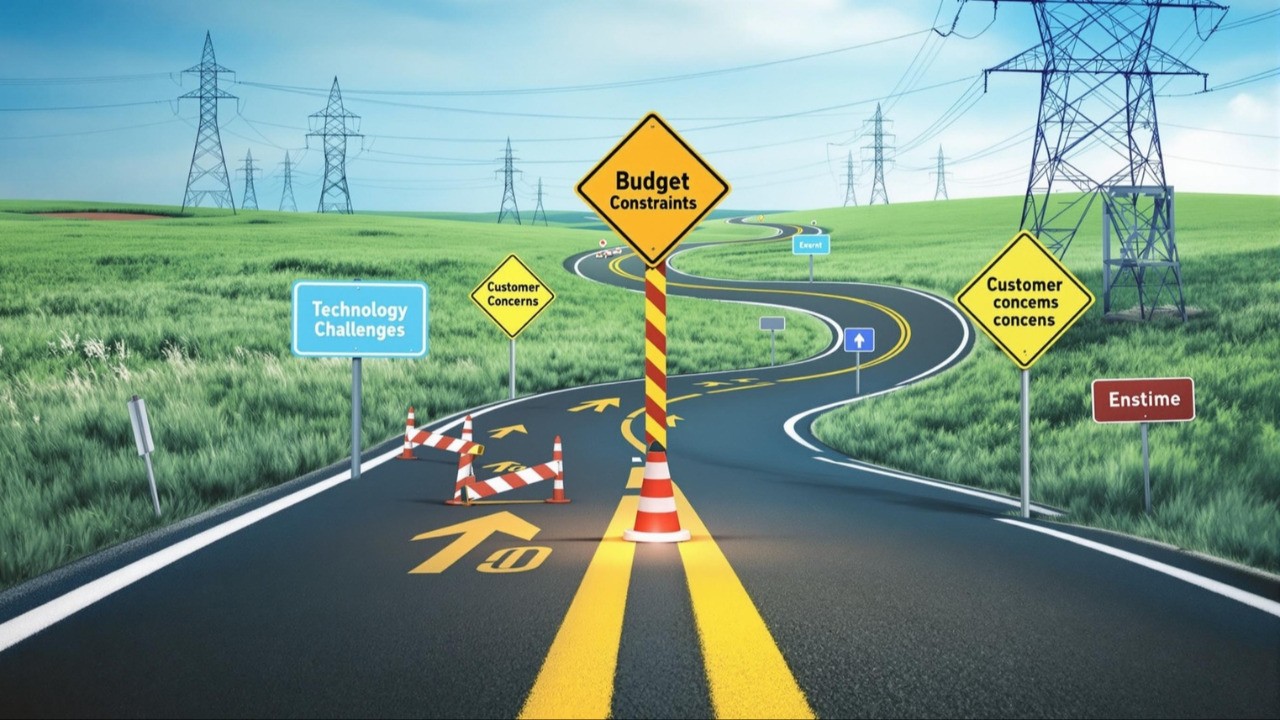
The Roadblocks to AMI: Challenges Utilities Face in Adopting Advanced Metering
The adoption of advanced metering infrastructure (AMI) has been steadily increasing over the past decade, driven by utilities seeking greater efficiency and customers demanding more control over energy use. However, AMI rollouts have also faced challenges, leading to delays for
-
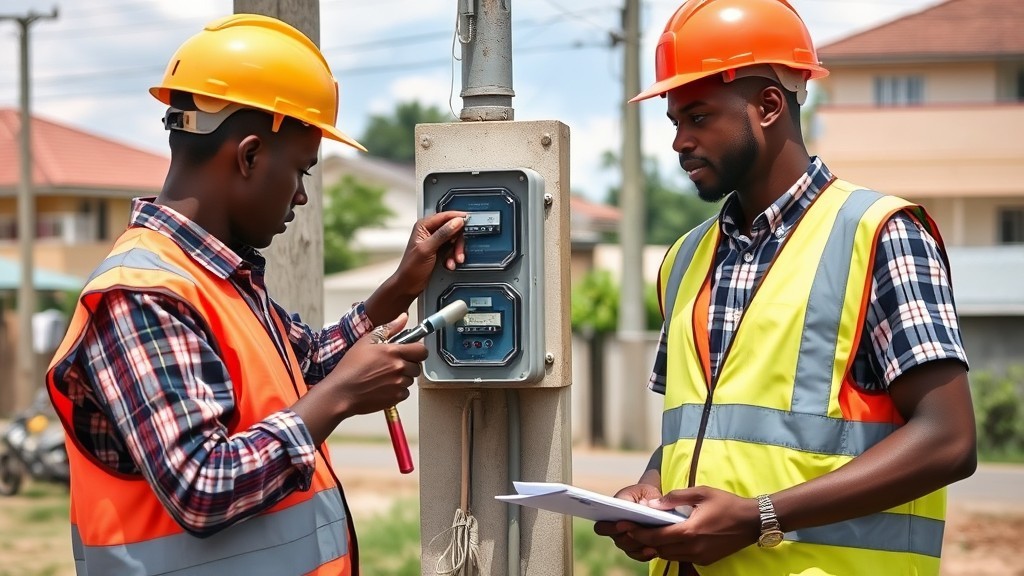
Energy Meter Forensics: Uncovering the Truth in Metering
Electricity meters are a critical component of the energy infrastructure, allowing utilities to accurately bill customers for their power usage. However, as with any measurement device, meters can malfunction or be tampered with, resulting in incorrect readings and billing disputes.
-
Quality of Service Management in AMI Systems: Ensuring Reliable Energy Distribution
Advanced Metering Infrastructure (AMI) systems are improving the way utilities manage energy distribution by enabling two-way communication between smart meters and utility providers. This intelligent infrastructure allows for remote meter reading, real-time monitoring of energy consumption, and instant detection of
-
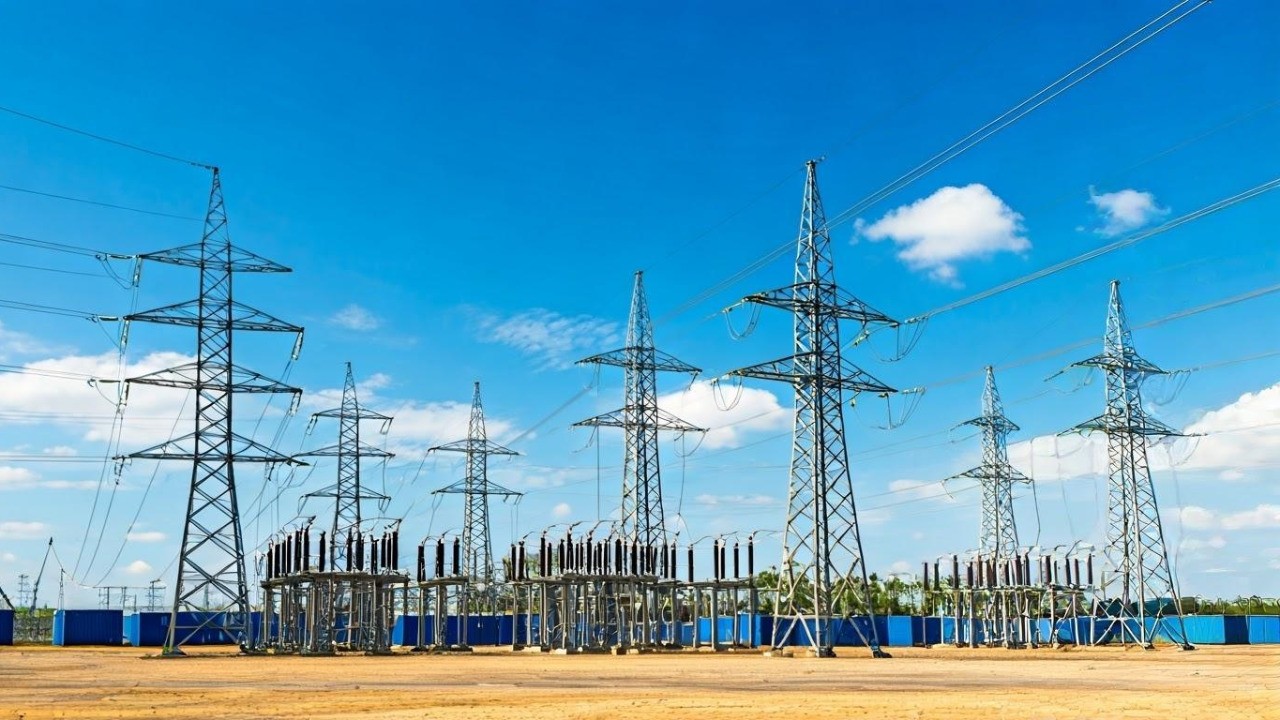
Ensuring Reliability: Overcoming the Challenges of Expanding Power Grid Perimeters
Modern society depe
 English
 Français
 Español
 Русский
Thank you for your unwavering commitment to excellence, and for sharing your insights on what it takes to be a world-class energy services provider. Your dedication sets a high standard for the industry. Keep up the fantastic work.
Thank you so much for your kind words and appreciation. I truly appreciate your feedback and support. It is incredibly encouraging to hear that our commitment to excellence and insights in the energy services industry have resonated with you.
Please what causes the prepared credit to ran fast?
The credit deduction is based on your consumption. If you use less electrical energy, the meter runs slower.
My CL710K11 Single Phase AMR Prepaid Meter is blinking red light at "warning" sign indicator. What does this mean?
Thanks.
If there is no other indication on the display, it means that your credit is getting low.
Thank You! So much for a great blog and best of luck for the future,
I'll be in touch.
Thank you for your interest. You can swipe down the page bottom and subscribe to our weekly newsletter.
Kindly how can I silence my meter even after dailing 812# still it will revive on its own and starts beeping its really annoying.
The beep can only switch off temporarily for just one minute.
The beep appears because there is an alarm, either low credit, or overload, or tamper.
You can silence your meter permanently after you solve the alarm.
I have a clou meter token and am just wondering how i can silence the beeping alarm that goes off when your are low on tokens. Its kinda annoying. Ypur help will be highly appreciated.
Regards,
Steve
Steve, try code 812 on your UIU (user interface unit) and confirm by pressing the enter-button (blue or red). If it doesn't work, please tell us the meter model type.
How can someone test reactive energy kvarh in a meter test bench?
If the energy meter has a function for measuring reactive energy, it must have a test output (a flashing diode) indicating the reactive consumption. This test output has a meter constant, indicated in e.g. pulses per kvarh. You set measurement mode in your test plan to reactive measurement and adjust the scanning heads in front of the reactive diode. All other procedure is the same like active accuracy test. The settings for reactive power is done inside the test bench and reference standard automatically.
which is the standard to be used for testing of for Reactive power in energy meter and what are the acceptable error margins?
The IEC 62053-23 is applicable for static meters for reactive energy (classes 2 and 3). The allowed errors for accuracy are given in the related tables. If you have a meter with reactive class 2, the allowed error is +/-2% for all balanced loads above 0.1 Ib and power-factor 1.
My CLOU (CL710K11) just shows zeros when I try to enquire balance or input new token, I think it is not communicating with the power source
The possible reason could be long communicate distance or the power cable quality,plsase use another socket and try again. if still doesn't work,pls confirm whether the UIU address is right one( enter 1593570 plus the meter number to set the UIU address).
Where can I find the operational manual for clou meter, with series number CL710K11
Thank you for your message. The operation manual is for the power company or utility. End users get an introduction by the power company and a reference card with the user interface short codes. The configuration for each power company is different. If you are in doubt about a function, ask your power supplier.
My CL710K11 meter
Red light is lit next to the word "WIRING" and I noticed low power in house today. Any idea what could be the problem.
It indicates a poor communication between the user interface unit and the meter. One reason behind can be a very low supply voltage from the grid.