
-
The different current subscripts
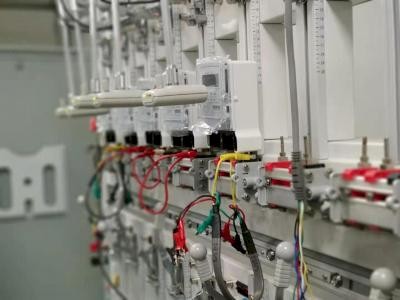
Together with tender documents and meter specifications you will find various subscripts related to current. current I without subscriptThis is the actual current flowing trough the energy meter. starting current... -
When do I need Isolation Current Transformers?
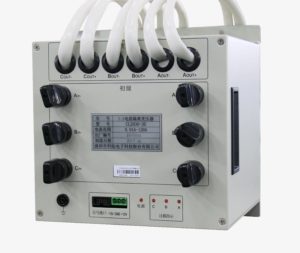
Isolation Current Transformers (ICT) are needed to test more than one direct connected energy meter on a test bench with multiple positions, assuming that the I-P links can not be... -

The Standard Transfer Specification STS
The Standard Transfer Specification (STS) has become recognised as the only globally accepted open standard for prepayment systems, ensuring inter-operability between system components from different manufacturers of prepayment systems. -
The four-quadrant diagram in electricity metering
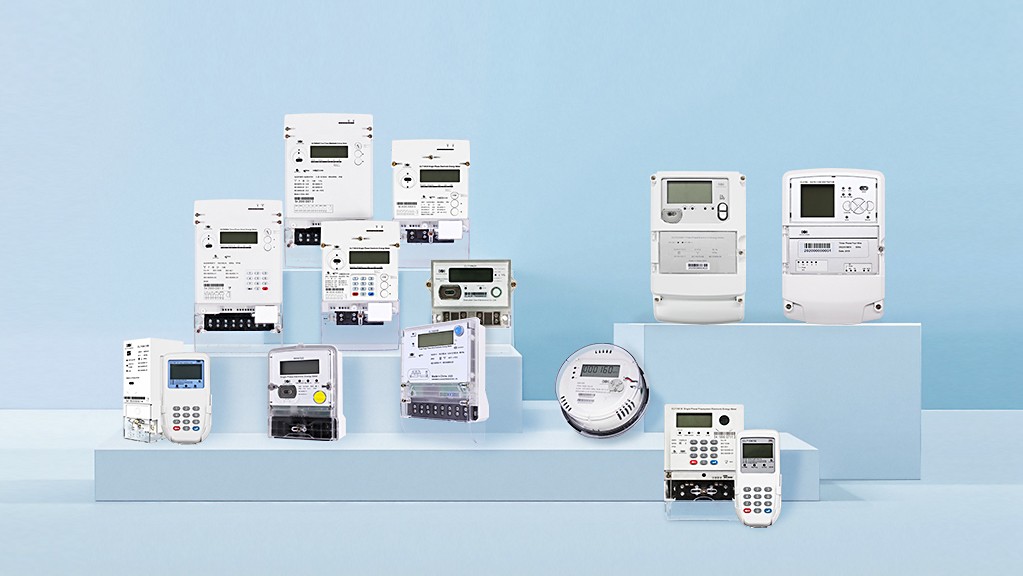
The interactive diagram shows the relationship between the phase angle φ, apparent-, active- and reactive power respective energy in accordance with clauses 12 and 14 of IEC 60375. -
What are harmonics ?
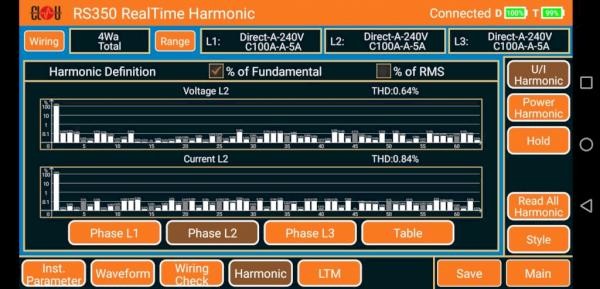
Generally a harmonic is a integer multiple of the fundamental frequency (nominal fn). When we have a fn of 50 Hz, the 3rd harmonics is traveling with 150 Hz. We... -
Calculating Apparent Power
There are two commonly used methods to calculate the apparent power (VA). The traditional method is the vectorial calculation.
Vectorial vs Arithmetic Method -
What is Maximum Demand Measurement?
Demand is a measure of average power consumption over a fixed time interval. Maximum (or peak) demand is the highest demand recorded over the billing period. -
Technical vs Non-Technical Losses
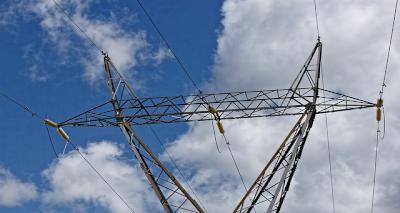
Technical losses are coming from current flowing in electrical installations. They can not be avoided, but reduced by proper installation. Technical losses can be calculated.
What You Need to Know -

Safeguarding Yourself
Personal safety comes first when working with electricity. It's never a mistake to review the basics.
A Guide to Personal Safety with Electrical Installations -
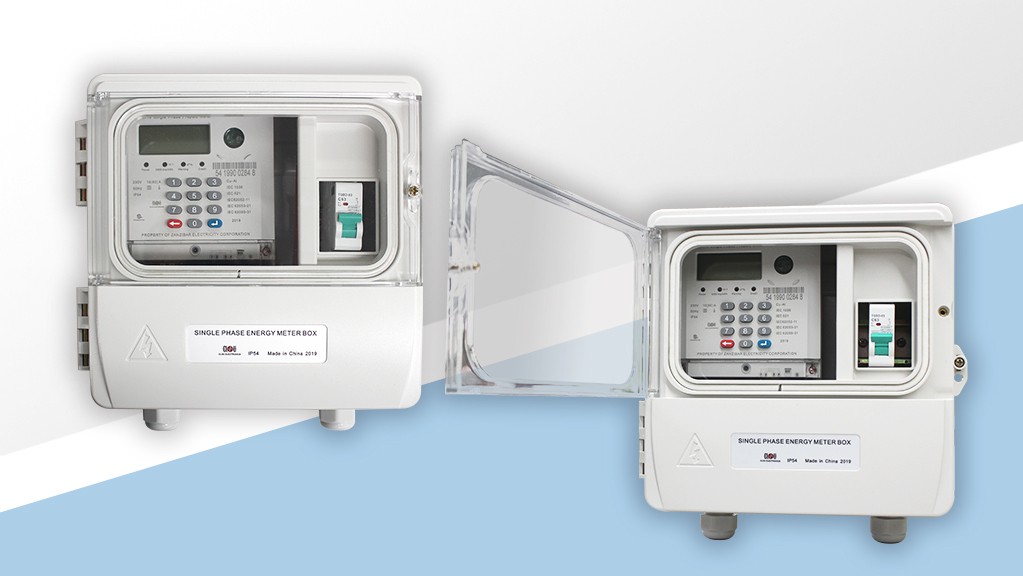
Single Phase Meter Enclosure CL758WJ
The CL758WJ single phase energy meter enclosure is able to accommodate one bottom-connected energy meter and one miniature circuit breaker (MCCB). -

Three Phase CT-PT Operated Meter CL730D22H
Designed specifically for medium and large-scale commercial and industrial electricity usage scenarios, the CL730D22H three-phase CT-PT operational meter integrates high-precision measurement with smart grid compatibility, fully meeting the stringent energy... -
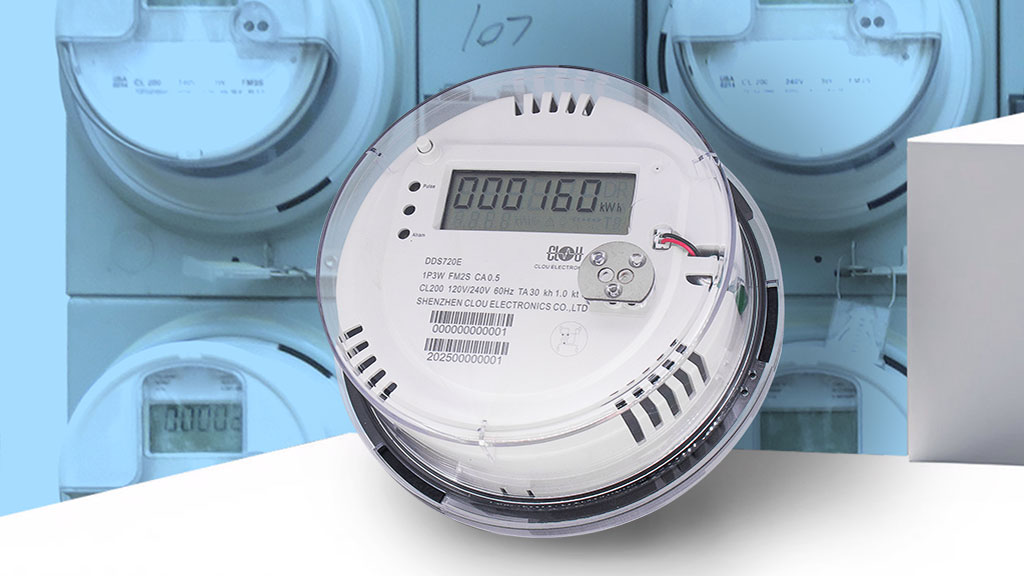
ANSI Socket Type Meter DDS720E
The electrical ANSI energy meter with socket type connection can be used in single-phase two wire or three wire grids.
About the author: Reinhard Günther

LaoRen (老任) is the Chinese name of Reinhard Günther.
He is Product Director and Consultant with more than 35 years experience in energy metering. In his spare time, he writes articles for CLOU GLOBAL.
The views and opinions expressed are those of the author and do not necessarily reflect the official policy or position of CLOU GLOBAL.
 English
 Français
 Español
 Русский