

Distribution transformers serve as fundamental components in electrical distribution networks. They reduce medium-voltage electricity from distribution grids to low-voltage levels suitable for residential, commercial, and light industrial users. Though often inconspicuous on utility poles or within substations, their consistent performance underpins power quality, loss reduction, and growing societal electrification needs.
This review examines distribution transformer operation, maintenance protocols, contemporary monitoring methods, prevalent operational challenges, and emerging developments. The objective is to aid engineers and decision-makers in enhancing transformer efficiency and longevity.
Principles of Operation
Distribution transformers operate through electromagnetic induction. Primary and secondary windings surround a magnetic core. Alternating current in the primary winding generates a magnetic field, inducing voltage in the secondary winding. Voltage transformation depends on the winding-turn ratio.
Operational specifications include:
- Rated Power (kVA): Maximum apparent power without exceeding thermal limits.
- Voltage Ratings: Inputs (typically 6–20 kV) and outputs (230/400 V).
- Impedance Voltage: Affects voltage regulation during faults.
- Cooling Methods: Oil immersion (mineral/synthetic fluids) or dry-type (air-cooled).
- Vector Group: Indicates phase displacement for system compatibility.
Designed for unsupervised continuous duty, these units exceed 98% efficiency. Managing no-load (core) and load (copper) losses remains vital for cost control and environmental stewardship.
Maintenance Protocols
Structured maintenance preserves reliability and prevents failures. Essential practices comprise:
Visual Inspections
Identify oil leaks, corrosion, physical damage, or loose connections early to avoid outages.
Oil Analysis (Immersed Units)
Sampling assesses:
- Moisture content (reduces dielectric strength).
- Dissolved gases (hydrogen/methane/acetylene indicate overheating/arcing).
- Dielectric strength (signals contamination).
Thermal Inspections
Infrared scans detect hot spots from loose connections, overloading, or internal faults.
Electrical and Mechanical Checks
- Retighten connections weakened by vibration.
- Clean polluted bushings/radiators to prevent flashovers.
- Test Buchholz relays
 Detecting Faults Before They Cause Damage: The Role of Gas Relays in Distribution Transformers, pressure valves, and temperature sensors.
Load Management
Prevent thermal overload and insulation ageing by monitoring loads. Exceeding rated capacity halves lifespan per the Arrhenius rate rule.
Monitoring Systems
Integrated sensors and digital communications enable real-time diagnostics. Monitored parameters include:
- Load current/voltage (detects imbalances).
- Oil/winding temperatures (triggers alarms or load shedding).
- Online dissolved gas analysis (early fault warnings).
- Partial discharges (insulation defects).
- SCADA/AMI integration for remote data analytics.
Advantages
- Early fault intervention cuts repair costs.
- Condition-based maintenance replaces fixed schedules.
- Lifecycle insights inform asset planning.
Operational Challenges and Solutions
Overloading
Mitigation: Load profiling and network rebalancing.
Insulation Degradation
Mitigation: Oil testing and seal integrity checks.
Moisture Ingress
Mitigation: Silica gel breathers and prompt leak repairs.
Thermal Ageing
Mitigation: Cooling maintenance and temperature monitoring.
Contamination
Mitigation: Bushing/radiator cleaning and protective coatings.
Animal Interference
Mitigation: Physical barriers for rodents and birds.
Evolving Developments
Enhanced Units
Sensors and self-diagnostics enable real-time control and DER integration.
Sustainable Designs
Biodegradable fluids and efficient cores lower environmental impact.
DER Integration
Bidirectional power flow management (solar/storage/EVs) requires adaptive controls.
Predictive Modelling
Digital twins simulate operating conditions and forecast failures using AI analytics.
Takeaway
Distribution transformers deliver electricity safely and efficiently. Optimizing their performance demands rigorous maintenance, proactive issue resolution, and modern monitoring. Adopting new technologies extends service life, reduces costs, and supports resilient power networks. CLOU's advanced distribution transformers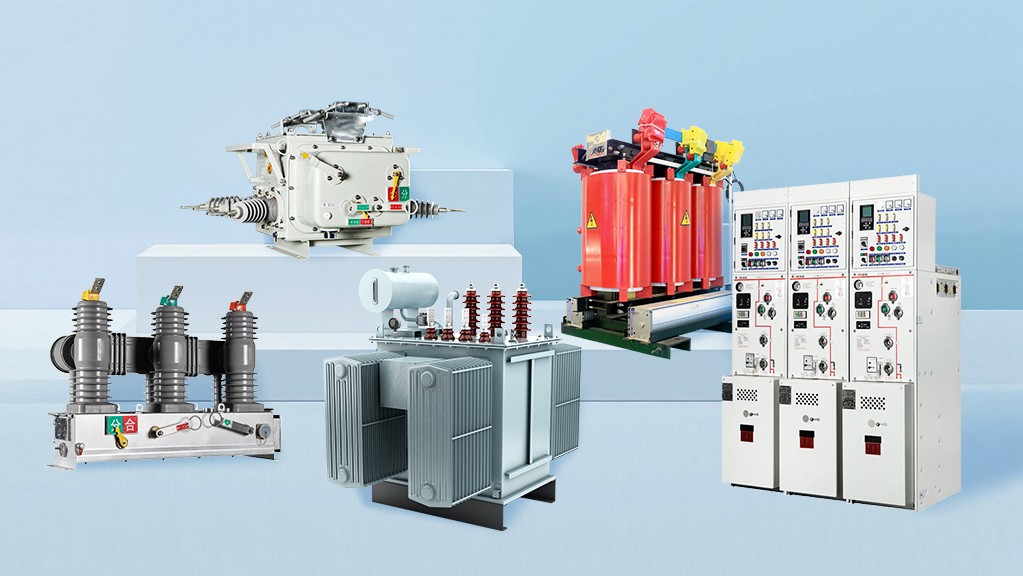 Distribution Equipment Overview are engineered for reliability, efficiency, and seamless integration with smart grid solutions—helping you meet today's challenges and prepare for tomorrow's demands.
Ready to upgrade your network?
Contact Contact Us CLOU's experts to discover how our distribution transformers can enhance your grid's performance and reliability.


 English
 Français
 Español
 Русский
CONGRATULATIONS FOR SO GOOD INFO! In spite of you did not mention new developments for distribution transformers as, OLTC, Avoid theft of copper coils, Amorphous types, etc., etc., in order to open customers eyes they can use most of them and have a better performance. I also sede a complication for Renewable units, fails, transformers step-up& ste down, etc. Few Engs know something better hoe to resolve heir problems: inverters, transformers, etc. Thanks.
Thank you very much for your thoughtful comment and kind words, Mariano!
You raise excellent points about the ongoing developments in distribution transformer technology. Features such as on-load tap changers (OLTC), anti-theft solutions for copper coils, and the use of amorphous core materials are indeed making a difference in both performance and security. These innovations help utilities and customers achieve higher efficiency, reduce losses, and address operational risks—especially in regions where copper theft can be a real challenge.
You're absolutely right that the integration of renewables adds another layer of complexity. Step-up and step-down transformers, inverter compatibility, and fault management are all areas where practical experience and technical know-how are crucial. As distributed energy resources become more common, transformer design and monitoring must adapt to handle bidirectional flows and new fault scenarios.
Thank you for highlighting these important aspects. We're always keen to share more about advanced solutions and practical tips for engineers facing these challenges.